RESEARCH DEVELOPMENT
1.Extraction Techniques
Choosing the appropriate extraction method is crucial for isolating bioactive compounds efficiently while maintaining their integrity.
Solvent Extraction: Using ethanol, methanol, or water as solvents.
Supercritical Fluid Extraction (SFE): Ideal for thermolabile compounds.
Ultrasound-Assisted Extraction (UAE): For increased yield and efficiency.
Microwave-Assisted Extraction (MAE): For rapid extraction.
Hydrodistillation or Steam Distillation: Specific for essential oils (eg, orange).
2.Analytical Characterization
Comprehensive analysis ensures quality, safety, and efficacy.
Phytochemical Profiling: Identifying primary active constituents.
Curcumin in turmeric (Curcuma longa).
Withanolides in Ashwagandha
Bacosides in Bacopa monnieri.
Andrographolides in Andrographis paniculata.
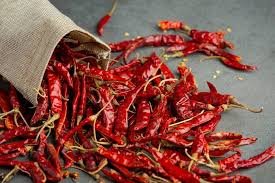
Capsaicinoids in Red Chili.
Hydroxycitric acid in Garcinia.
Flavanones and ascorbic acid in Orange.
Chlorogenic acid and caffeine in Coffee Beans
Techniques
High-Performance Liquid Chromatography (HPLC) and Ultra-High Performance Liquid Chromatography (UHPLC) for quantitative and qualitative analysis.
Gas Chromatography-Mass Spectrometry (GC-MS) for volatile compounds.
Fourier-Transform Infrared Spectroscopy (FTIR) and Nuclear Magnetic Resonance (NMR) for molecular characterization.
Liquid Chromatography-Mass Spectrometry (LC-MS) for high-precision analysis
3. Standardization
Developing standardized extracts with consistent levels of active components.
Use of biomarkers like curcumin, withanolides, or bacosides to ensure reproducibility.
4.Biological Evaluation
In vitro Studies: Antioxidant, anti-inflammatory, antimicrobial, and other bioactivity screenings.
In vivo Studies: Pharmacokinetics and pharmacodynamics in model organisms.
Clinical Studies: Safety and efficacy trials in humans for therapeutic claims.
5.Formulation Development
Creating stable and bioavailable formulations, such as capsules, tablets, powders, or liquid extracts.
Use of advanced delivery systems like nanoparticles or liposomes for enhanced
6.Toxicological and Safety Studies
Acute and chronic toxicity studies to ensure safety at therapeutic doses
Testing for heavy metals, pesticides, and microbial contamination.
.
7.Future Directions in Analytical R&D
1. Green Extraction Technologies
Utilizing eco-friendly methods like microwave-assisted extraction and enzyme-assisted extraction to reduce environmental impact.
2. Omics Approaches
Incorporating genomics, proteomics, and metabolomics for a deeper understanding of how these extracts interact with the human body.
3. Al and Machine Learning in Formulation
Leveraging data-driven techniques to predict optimal combinations and dosages for synergistic effects.
4. Regulatory Compliance
Aligning with global standards like GRAS (Generally Recognized as Safe) and pharmacopoeial standards for international markets